Felix Sullivan · 2 September 2026
A recent clinical trial has established a clear connection between regular meditation practice and decreased anxiety symptoms. Conducted by researchers at a prominent university, the study involved 320 participants aged 18 to 65 who were experiencing moderate to severe anxiety. The trial aimed to evaluate the efficacy of mindfulness-based stress reduction techniques over a period of 12 weeks.
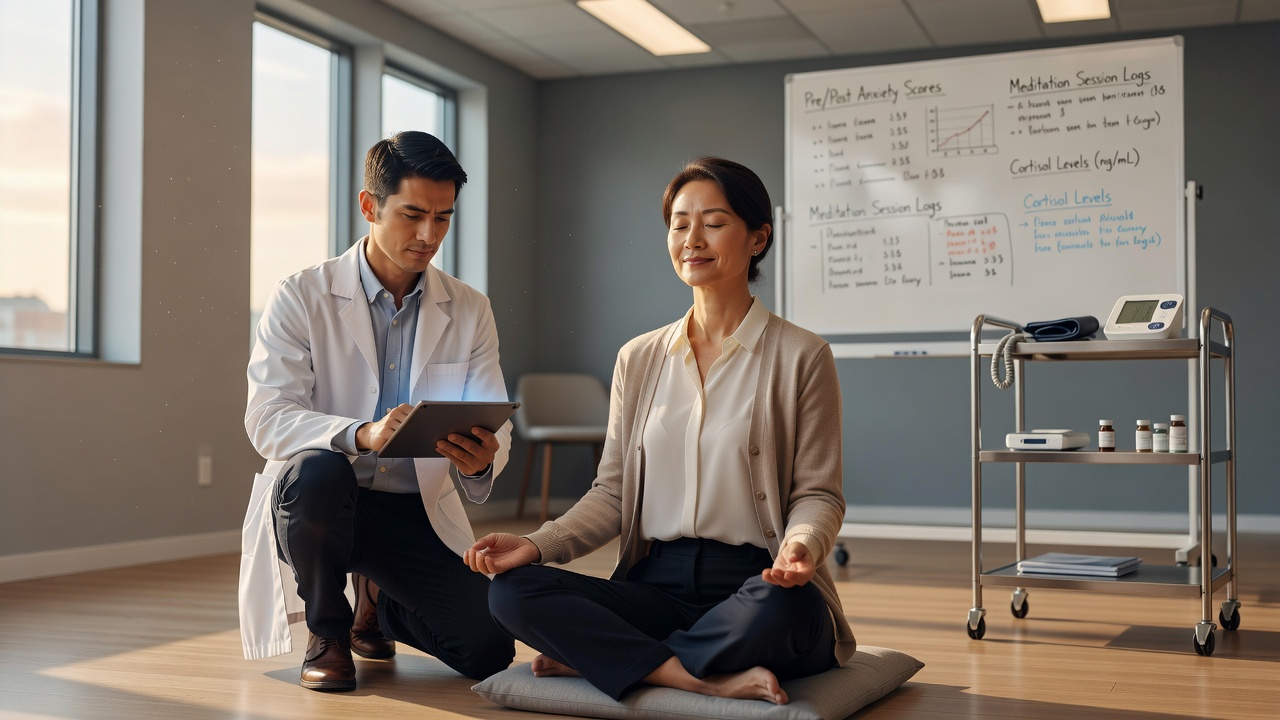
Participants in the intervention group attended weekly group sessions and practiced meditation at home using audio guides. The control group received standard care without meditation training. Anxiety was assessed through validated questionnaires and physiological measures including heart rate variability.
Key Outcomes from the Trial
The results indicated that the meditation group experienced an average reduction of 42 percent in anxiety symptom severity. This was significantly higher than the 12 percent reduction observed in the control group. Additionally, 68 percent of meditators achieved clinically meaningful improvement, compared to 22 percent in controls. Blood tests also revealed lower cortisol levels in the meditation participants, suggesting reduced stress hormone activity.
These findings are particularly relevant given the rising prevalence of anxiety disorders worldwide. Meditation offers a sustainable method for managing symptoms without the need for medication. The study controlled for variables such as age, gender, and baseline anxiety levels to ensure robust conclusions.
Recommendations and Future Directions
Health professionals are encouraged to recommend meditation as a complementary therapy for anxiety. The trial's success points to the need for more accessible meditation programs in community settings. Researchers plan to investigate the effects on other mental health conditions like depression and PTSD in upcoming studies.
Overall, this evidence supports incorporating meditation into daily wellness routines for better mental health outcomes. Individuals can start with short sessions and gradually increase duration as they build the habit. The trial provides a foundation for evidence-based wellness practices that promote long-term health.