Sage Klein · 2 September 2026
A recent clinical trial has provided strong evidence that meditation can effectively reduce symptoms of anxiety. Researchers at a major university examined the effects of daily meditation on a group of adults experiencing generalized anxiety disorder. The findings add to growing literature on mind-body interventions for mental health conditions.
Study Design and Participant Outcomes
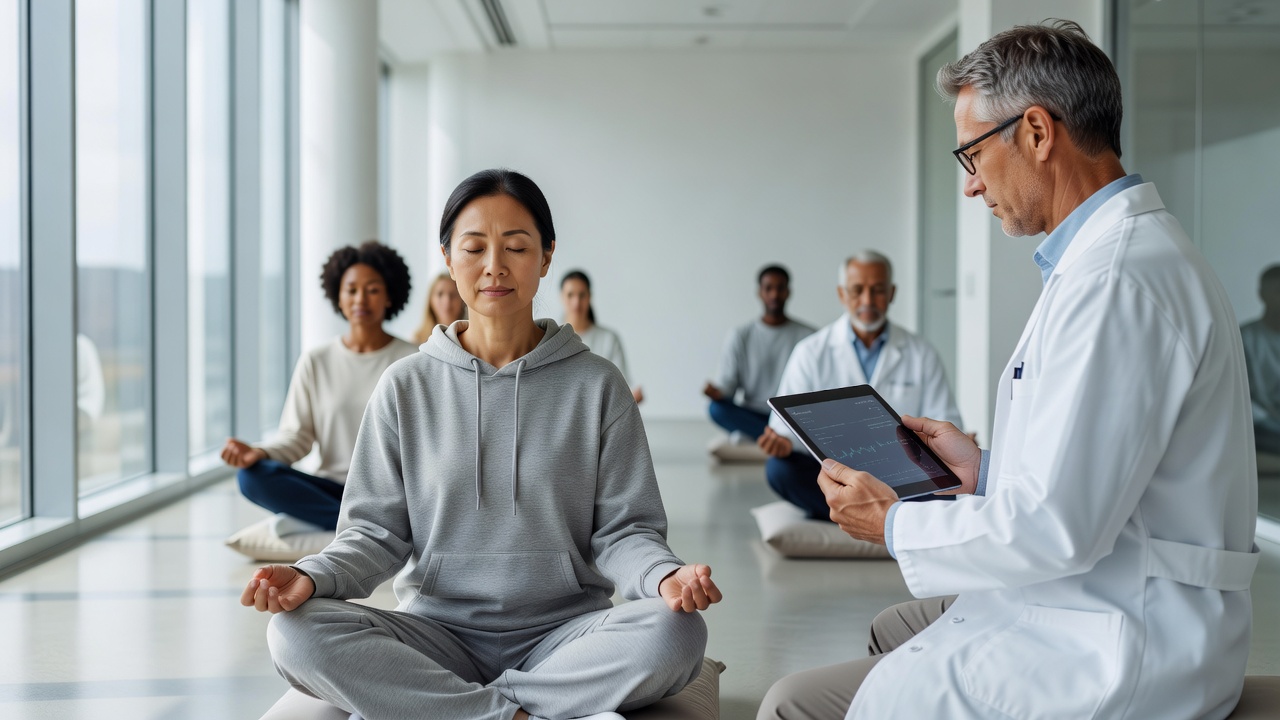
The trial included 250 participants aged 25 to 55 who were randomly assigned to either a meditation intervention group or a waitlist control group. The intervention consisted of eight weeks of guided mindfulness meditation sessions lasting 45 minutes each day. Anxiety levels were measured using standardized scales such as the Hamilton Anxiety Rating Scale at baseline, midpoint, and conclusion of the study. Results indicated that the meditation group experienced an average 35 percent reduction in anxiety symptoms compared to only 10 percent in the control group. Physiological markers including cortisol levels also showed significant decreases in the meditation participants. Blood pressure readings and self-reported stress levels followed similar positive trends. Participants in the meditation arm reported greater ability to focus and manage daily stressors effectively.
Additional findings revealed improvements in sleep quality and overall mood among those practicing meditation regularly. Follow-up assessments at three months post-trial confirmed sustained benefits for many individuals who continued the practice independently. No adverse effects were noted throughout the duration of the research.
Implications for Anxiety Management and Wellness
These outcomes suggest that meditation offers a viable non-pharmacological approach to managing anxiety. Experts note that incorporating meditation into daily routines may complement existing therapies and promote long-term mental health. The study highlights the importance of accessible wellness practices in reducing reliance on medication for mild cases. Future research is planned to explore variations in meditation techniques and their specific impacts on different anxiety disorders. Clinicians are encouraged to discuss meditation options with patients seeking holistic methods for symptom relief. Overall, the trial underscores meditation as a practical tool for enhancing emotional resilience and supporting healthy living. Community programs teaching meditation could play a key role in public health strategies aimed at anxiety prevention.